Lifestyle
The Experiential Shift: How 'Lifestyle Luxury' is Redefining High-End Hospitality and Design
As affluent consumers move away from overt corporate branding, the luxury sector pivots toward holistic wellness ecosystems, architectural narrative, and hyper-personalized hospitality.
By 19Network Editorial Team · Jun 25, 2026 · 5 min read
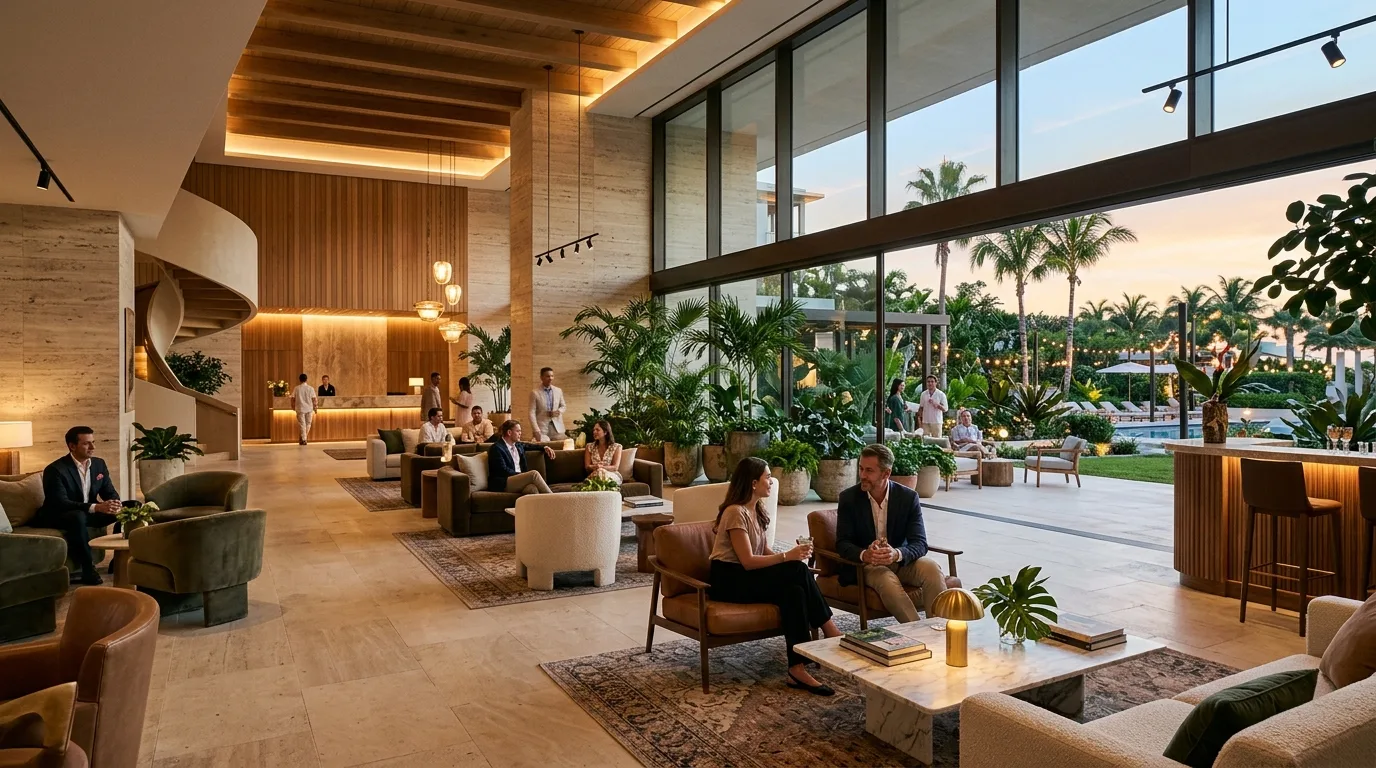
The traditional signifiers of high net-worth status are changing rapidly. In mid-2026, premium lifestyle experiences are no longer measured by the price tag of a product, but by the exclusivity, health benefits, and time optimization of the environment.
The global luxury sector in 2026 is undergoing a profound philosophical transformation. For decades, the high-end consumer market was defined by visible luxury—readily identifiable fashion logos, rare physical assets, and highly standardized ultra-premium hospitality packages. However, consumer intelligence metrics from the first half of this year reveal that affluent demographics are fundamentally rewriting the rulebook. True premium status is now designated through "experiential luxury" and "wellness architecture"—shifts that are forcing luxury brands, hospitality conglomerates, and elite architects to radically redesign their business models. At the core of this transition is an elevated demand for hyper-personalized, private ecosystems. In major luxury hubs, high-net-worth individuals are moving past conventional multi-star hotel stays in favor of mixed-use wellness enclaves. These unique spaces seamlessly blend ultra-exclusive residential living with tailored, institutional-grade health and medical wellness programs. Wealthy travelers no longer merely look for an elite spa menu; they demand full-scale longevity clinics, advanced sleep-optimization suites, and bio-harmonic…