UAE
Eid Al Adha: Mandatory Rules and Origins of the Ritual Sacrifice Explained
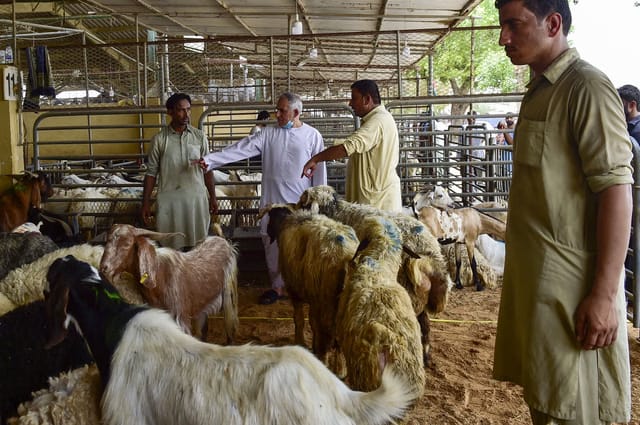
The Festival of Sacrifice involves rigorous slaughtering regulations and 1,400-year-old traditions of charity and distribution.
Eid Al Adha, the Festival of Sacrifice, begins on the 10th day of Dhu Al Hijjah, marking the conclusion of the annual Hajj pilgrimage. The holiday centers on the ritual of Udhiya, the sacrificial offering of livestock, which honors the narrative of Prophet Ibrahim’s willingness to sacrifice his son in obedience to God before a ram was provided in his place. The Ritual of Udhiya The sacrifice occurs after the Eid prayer on the first day and continues until the sun sets on the 13th day of Dhu Al Hijjah. Eligible animals include sheep, goats, cows, and camels. Sharia law mandates that these animals meet specific age and health requirements: sheep must be at least six months old, goats one year, cows two years, and camels five years. All animals must be free from physical defects or illness to be considered valid for the ritual. The distribution of the meat follows a traditional tripartite division. One-third is retained by the family performing the sacrifice, one-third is given to relatives and neighbors, and the final third is donated to the poor and needy. This distribution ensures that those with limited financial means can participate in the holiday feast. UAE Regulations and…
Source: Gulf News