Real Estate
Regulatory Discipline: Dubai Shared Housing Law Enters Enforcement Phase with Fines Up to AED 1 Million
Law No. (4) of 2026 formalizes residential sharing under mandatory municipal permits, strict space-per-resident standards, and a complete ban on unauthorized tenant subleasing.
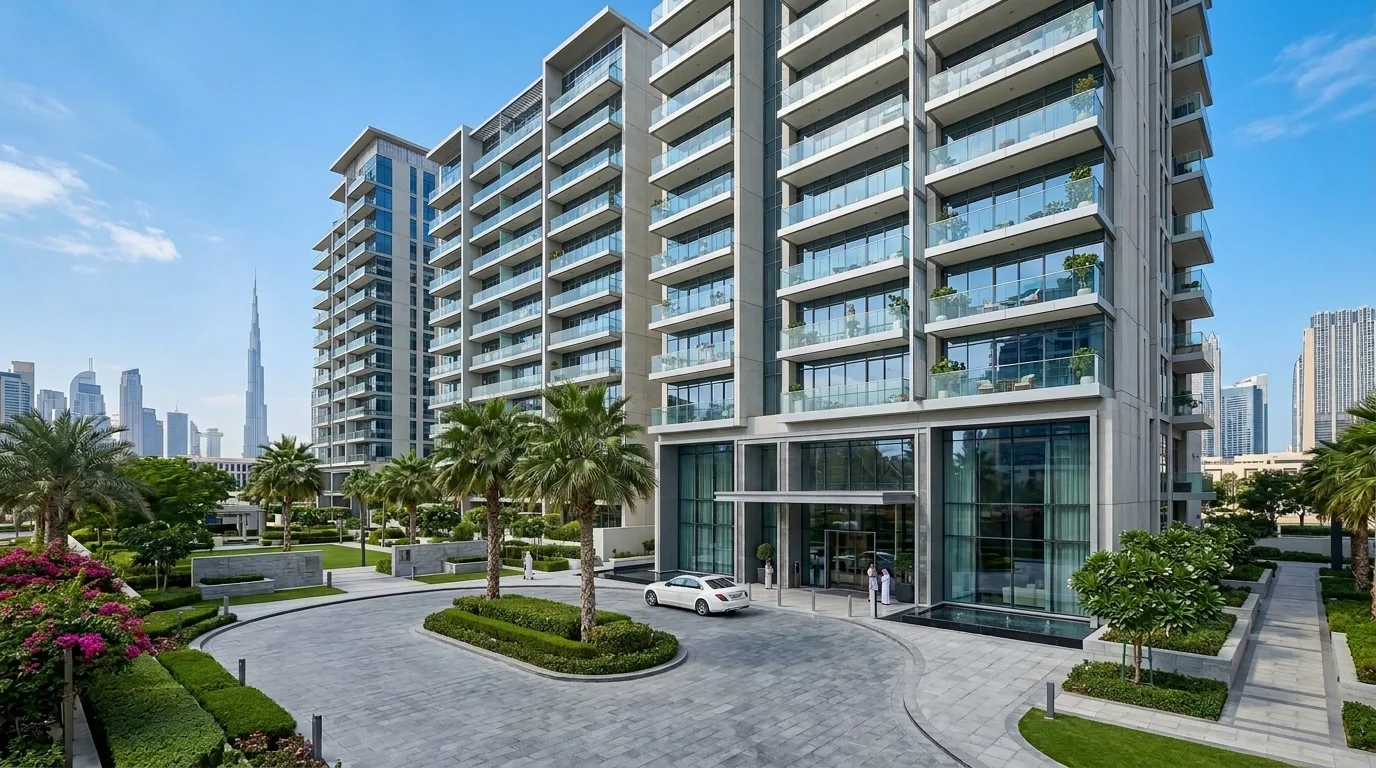
Dubai’s real estate ecosystem is entering a new era of structural oversight. Following the conclusion of its 180-day transitional window, Dubai Law No. (4) of 2026 regulating shared housing has officially entered its enforcement phase across the emirate, establishing strict habitability standards and stiff penalties for illegal partitioning.
Dubai’s real estate sector has taken a decisive step to safeguard building safety, preserve property values, and elevate residential living standards across the emirate. Following the conclusion of its official 180-day transition window, Dubai Law No. (4) of 2026—regulating the occupancy and operation of shared housing units—has entered full enforcement across all residential areas, master developments, and free zones. Issued by His Highness Sheikh Mohammed bin Rashid Al Maktoum, Vice President and Prime Minister of the UAE and Ruler of Dubai, the landmark legislation introduces a formal, permit-based framework designed to eliminate unauthorized overcrowding, unapproved structural partitioning, and high-density "bed space" operations inside standard residential buildings. Under the provisions of Law No. (4) of 2026, shared housing is legally defined as any residential apartment or villa occupied by more than one individual or family who share common facilities such as kitchens, living areas, or bathrooms. To operate a shared unit lawfully, property owners or licensed real estate management companies must obtain an official Shared Housing Permit from Dubai Municipality, renewable…