Auto
Dubai Accelerates Autonomous Mobility Revolution as Commercial Driverless Fleet Expands Across Major Corridors
Powered by advanced AI command infrastructure and global partnerships, the Roads and Transport Authority scales self-driving mobility toward the emirate’s 2030 smart transport target.
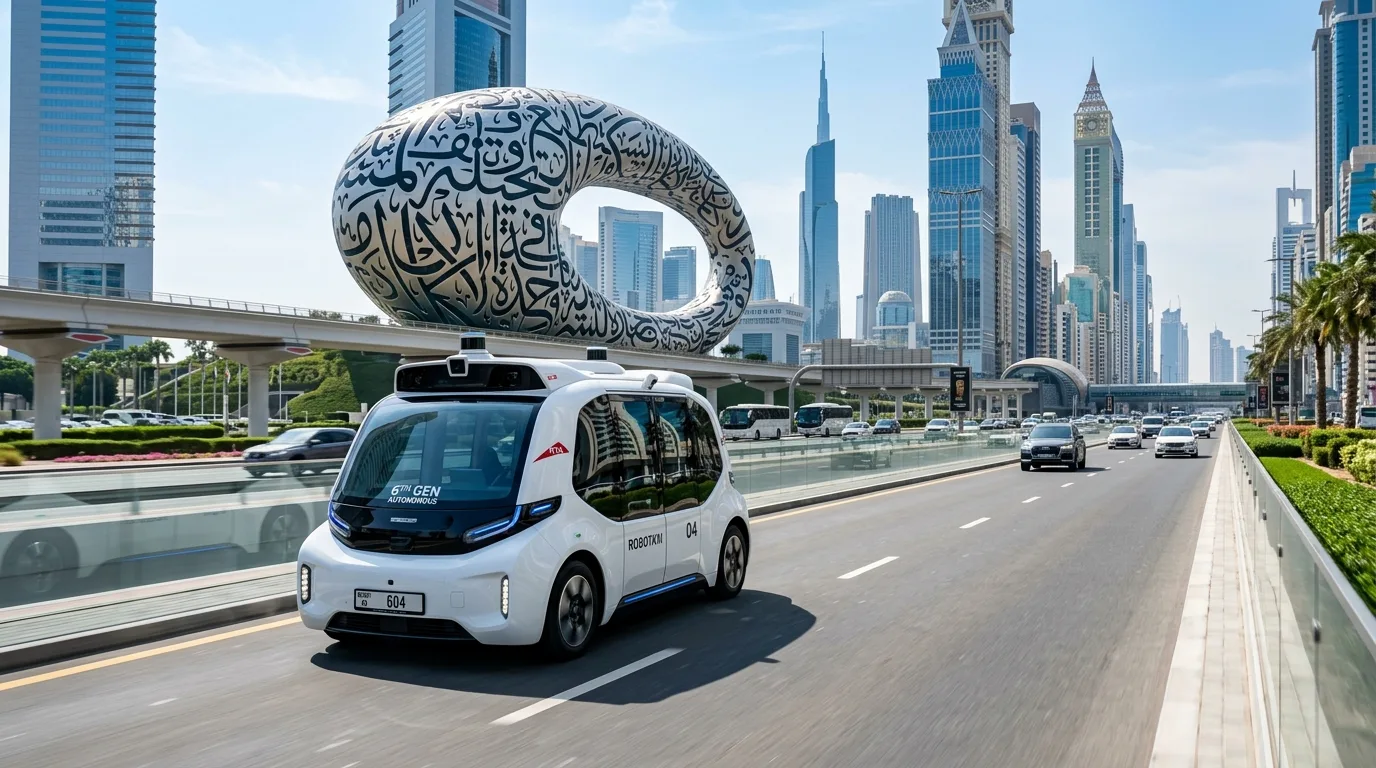
Dubai is consolidating its position as the world leader in smart urban mobility, deploying next-generation autonomous vehicle fleets across key arterial routes and dedicated driverless zones.
DUBAI — In a landmark milestone for global urban transportation, Dubai has accelerated the commercial rollout of its autonomous mobility framework, solidifying its standing as the world's premier testing and operational ground for driverless technology. Under the direction of the Roads and Transport Authority (RTA), the emirate is expanding its self-driving robo-taxi services across high-density urban corridors, unlocking a new era of safe, efficient, and AI-driven public transit. The rapid transition from pilot testing to commercial integration forms a core pillar of the Dubai Self-Driving Transport Strategy, an ambitious initiative designed to transform 25% of total daily mobility journeys across the city into autonomous trips by 2030. By converting standard transit into intelligent, interconnected networks, Dubai is dramatically reducing congestion, lowering carbon emissions, and elevating urban liveability for residents and international visitors alike. At the center of this expansion is the deployment of cutting-edge vehicle architectures. The RTA’s strategic partnerships with world-leading autonomous mobility developers—including Baidu’s Apollo Go and WeRide in…