World
Navigating the Chokepoint: Diplomatic Off-Ramp Sought in U.S.-Iran Standoff as Maritime Discussions Focus on the Strait of Hormuz
As the global economy reels from a five-month maritime blockade, Washington pauses planned military escalation to pursue a fragile negotiating window championed by Gulf mediators.
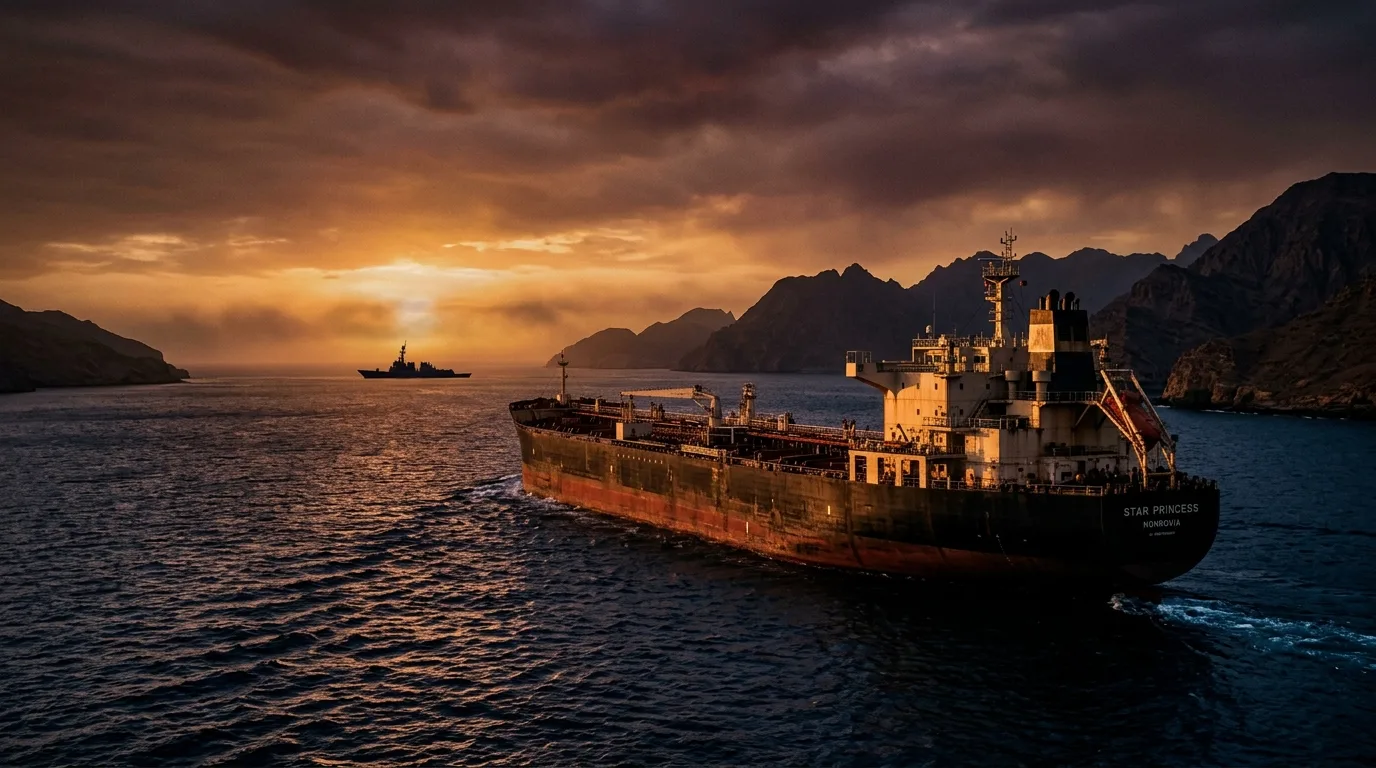
The world's most critical energy corridor is hovering between total conflict and a diplomatic breakthrough. Following five months of severe military escalation that triggered the largest global energy disruption since the 1970s, the United States has temporarily paused major strikes against Iran to engage in high-stakes negotiations aimed at reopening the Strait of Hormuz.
The geopolitical tectonic plates of the Middle East are shifting once again as the devastating 2026 Strait of Hormuz crisis reaches a critical inflection point. Following five agonizing months of military conflict and maritime blockades that have starved the global economy of vital energy flows, a fragile diplomatic off-ramp has emerged. In a move that surprised international markets, U.S. President Donald Trump announced a suspension of planned large-scale military strikes against Iran, opting instead to give emergency diplomatic negotiations a "last chance" to resolve the maritime standoff. The roots of the current crisis trace back to February 28, 2026, when the United States and Israel launched Operation Epic Fury, a coordinated aerial campaign targeting Iranian military and nuclear infrastructure. In immediate retaliation, the Iranian Revolutionary Guard Corps (IRGC) initiated a severe blockade of the Strait of Hormuz. By late March, Tehran had explicitly banned any vessel associated with the U.S. and its allies from navigating the vital 21-mile-wide chokepoint, enforcing the edict by boarding merchant ships and laying sea mines. The U.S. Navy responded in mid-April by…